
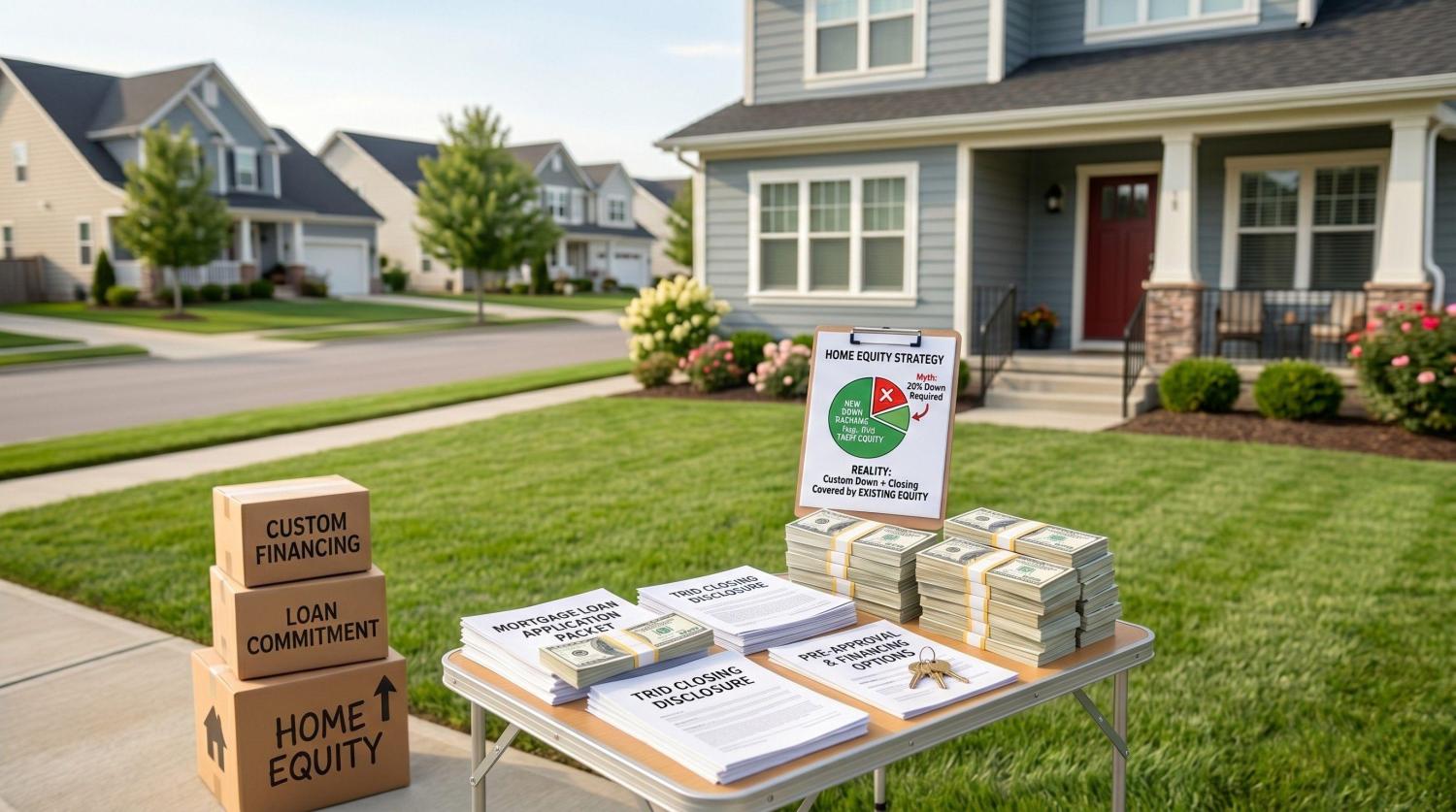
Believing you need a massive pile of cash to buy your next home is a common myth for Indiana homeowners today.
Many homeowners feel stuck in their current houses because they believe in an old rule that does not apply anymore. It is a common point of confusion, especially when you are balancing a busy life and trying to figure out your next step.
The good news is that the real estate landscape in 2026 offers plenty of flexible pathways. You do not need to pause your life or live in a cramped space while waiting to hit an arbitrary savings goal.
Unpacking the 20 Percent Down Myth
Let's talk about where this old rule came from in the first place. Historically, putting twenty percent down was the standard way to avoid paying private mortgage insurance, which people call PMI. Think of PMI as a safety net for the bank (not for you) which protects them if a buyer stops making payments.
While avoiding that extra fee is nice, letting it hold you back from a home that actually fits your life could be a mistake. The math often tells a completely different story when you look at the big picture.
In the current market, waiting to save that entire amount can mean missing out on the right property while home values continue to appreciate. The 20 percent down myth that Indiana buyers encounter keeps people running on a financial treadmill that never seems to stop.
Leveraging Your Existing Equity for Move Up Buyer Financing
If you already own a home in the area, you likely have a secret weapon hiding right in your walls. That weapon is your home equity, which is simply the difference between what your home is worth today and what you still owe on your current mortgage.
When you step up to your next property, your financing does not have to come entirely out of your checking account. You can use the proceeds from selling your current home to fund the down payment lenders require for your next place.
Many buyers choose to put down five, ten, or fifteen percent instead of the full twenty. In fact, some loan programs allow you to put down even 0-3.5%! This keeps cash in your pocket for new furniture, minor updates, or just a comfortable safety net in your bank account.
Understanding Your Options for a Down Payment
Let's look at the actual menu of options available for your down payment financing plans. Some conventional loans allow buyers to put down as little as three to five percent of the purchase price.
Even with a lower down payment, your monthly payment might still be completely comfortable if you structure the loan correctly. There are also specific home loan programs designed to help buyers transition smoothly from one home to the next without draining their liquidity.
Managing two transactions at once can feel like trying to pat your head and rub your stomach at the same time. Working through options like bridge loans, HELOCs, or specialized timing contracts can take the pressure off your shoulders.
These tools allow you to buy first and sell later, or coordinate the two closings on the same day. Having these options means you can move at your own pace rather than feeling rushed by market pressures.
Balancing the Math of Buying Next Home Equity
When you evaluate the numbers, look at the overall picture rather than just the upfront cash.
Paying a small amount of PMI each month is often a minor trade-off for getting into a home with the square footage or yard size you need right now. It is all about finding the right balance between cash on hand and your monthly mortgage commitment.
Sometimes, keeping cash in high-yield savings accounts or investing it elsewhere makes more financial sense than locking it up in your home structure. Your home should serve your lifestyle, not dictate how tightly you have to pinch pennies.
What This Means If You Are Buying
Get a clear valuation of your current home to know exactly how much equity you have to work with.
Explore different loan percentages with a trusted local lender rather than assuming twenty percent is the magic entry ticket. If you need a recommendation of a great local lender or we're happy to connect you with someone great!
Look at your overall monthly budget instead of just focusing on the lump sum needed at the closing table.
Review options that allow you to buy and sell simultaneously without losing your mind or your savings. We can help with that!
Conclusion
Moving to a larger home does not require climbing an impossible financial mountain. The 20 percent down myth Indiana families worry about is standing in the way of perfectly good options.
Making a move is about finding a balance between comfort, timing, and realistic numbers. Take a look at your unique financial picture and make an informed choice that keeps your life moving forward smoothly.