
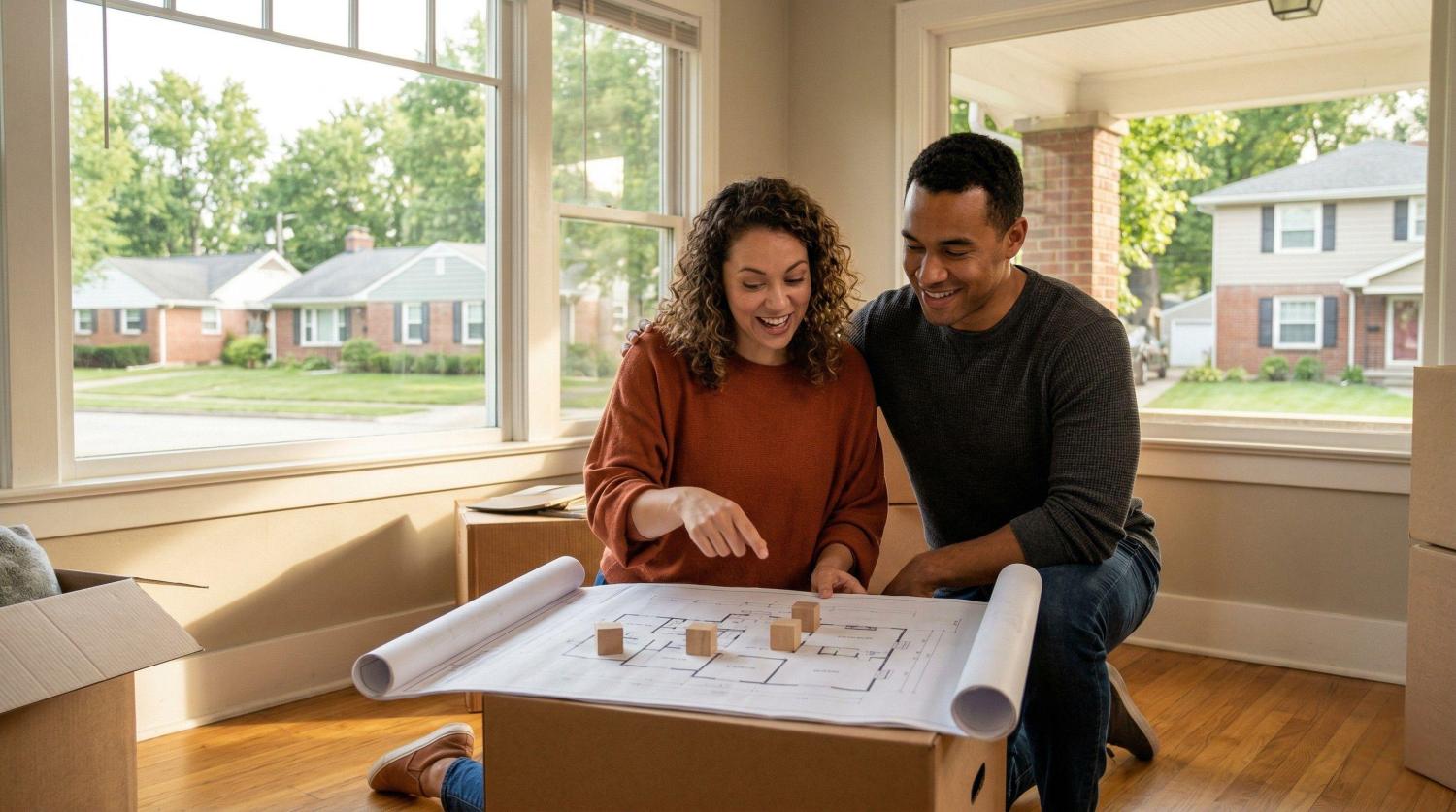
Thinking about moving to a larger home can feel a bit like trying to assemble a puzzle where the pieces keep changing shape. You know you want more space, perhaps a bigger yard in Hendricks County or a more modern layout in Johnson County, but the math often feels like a mystery
It is completely normal to feel a sense of uncertainty about the transition. You are not just buying a house; you are essentially performing a high-wire act where you have to sell your current home and buy a new one at the same time
The good news is that you do not need to have your current mortgage completely paid off to make a move. Equity is simply the "piggy bank" hidden inside your walls. As long as that piggy bank is full enough to cover your closing costs and a down payment on the next place, you are in a position to start looking at your options.
Understanding the Home Equity Move Up Buyer
A home equity move up buyer is someone who uses the wealth they have built in their current residence to fund a lifestyle change. In the Indianapolis market of 2026, home values have remained steady, which means many people are sitting on more wealth than they realize. However, equity is not just the difference between your home's value and your loan balance. It is more like a bucket of water with a few small holes in the bottom.
When you sell a home, you have to account for the costs of the transaction. This includes things like title insurance, transfer taxes, and professional fees. In the real estate world, we often suggest looking at these costs as the "toll" you pay to move from one "neighborhood" of your life to the next. Typically, you should expect about seven to ten percent of your sale price to go toward these closing costs.
If you have at least 20 percent equity in your current home, you are usually in a very strong position. This level of equity often allows you to pay off your current loan, cover all your selling expenses, and still have enough left over for a substantial down payment on a new property. If you have less than 20 percent, you can still move, but you might need to look into different loan products. Or check out our 12 Ways to Buy and Sell to make the transition work smoothly
Calculating Your Real Net Equity
To figure out if you are ready to be a home equity move up buyer, you have to look past the "vanilla marketing" numbers you see online
One helpful way to think about your equity is to imagine it as a bridge. One side of the bridge is where you are now, and the other side is the home you want to be in. If the bridge is too short, you might need to wait a little longer or find a creative way to extend it. We specialize in providing personalized recommendations to help extend that bridge, whether that means using a flexible fee structure or searching for off-market properties to find a better deal on your purchase
It is also important to consider how you will position and market your home when calculating your net equity
Bridging the Gap in Hendricks and Johnson County
The Indianapolis suburbs, particularly in Hendricks and Johnson County, have their own unique rhythm in 2026
If you are worried about hitting timelines or the logistics of buying and selling simultaneously, you are not alone
Sometimes, the best strategy is not the most obvious one. You might find that you have enough equity to buy your next home before you even sell your current one. Or, you might decide to sell first and negotiate a "post-closing occupancy" so you have time to shop without feeling rushed. We treat our clients like friends who want smart advice, not just another transaction
What this means if you’re buying
Check your "net" equity by subtracting about 8-10% percent from your estimated home value to account for selling costs.
Talk to a lender early to see how much of your equity can be used as a down payment for your next purchase.
Look for off-market properties to avoid bidding wars that could eat into your moving budget
. Consider homes that might need a little cosmetic love to maximize the "buying power" of your equity.
What this means if you’re selling
Check out our 15-Point Marketing Plan to ensure you get the highest possible price for your current home
. Be realistic about your home's condition so you do not get surprised by repair requests during the inspection phase.
Moving Forward with Confidence
Determining how much equity you need is less about a single "magic number" and more about your specific goals for your next chapter. Some people are happy to move with just five percent equity, while others want to wait until they can put down a full 20 percent to avoid private mortgage insurance. Neither way is "wrong," but they both require a different roadmap.
The most important thing is to stay informed and avoid making decisions based on fear or hype
We are here to help you navigate the "real fun" side of real estate while making sure the numbers actually make sense for your life
If you want to talk through your specific situation, we’re always happy to help.