
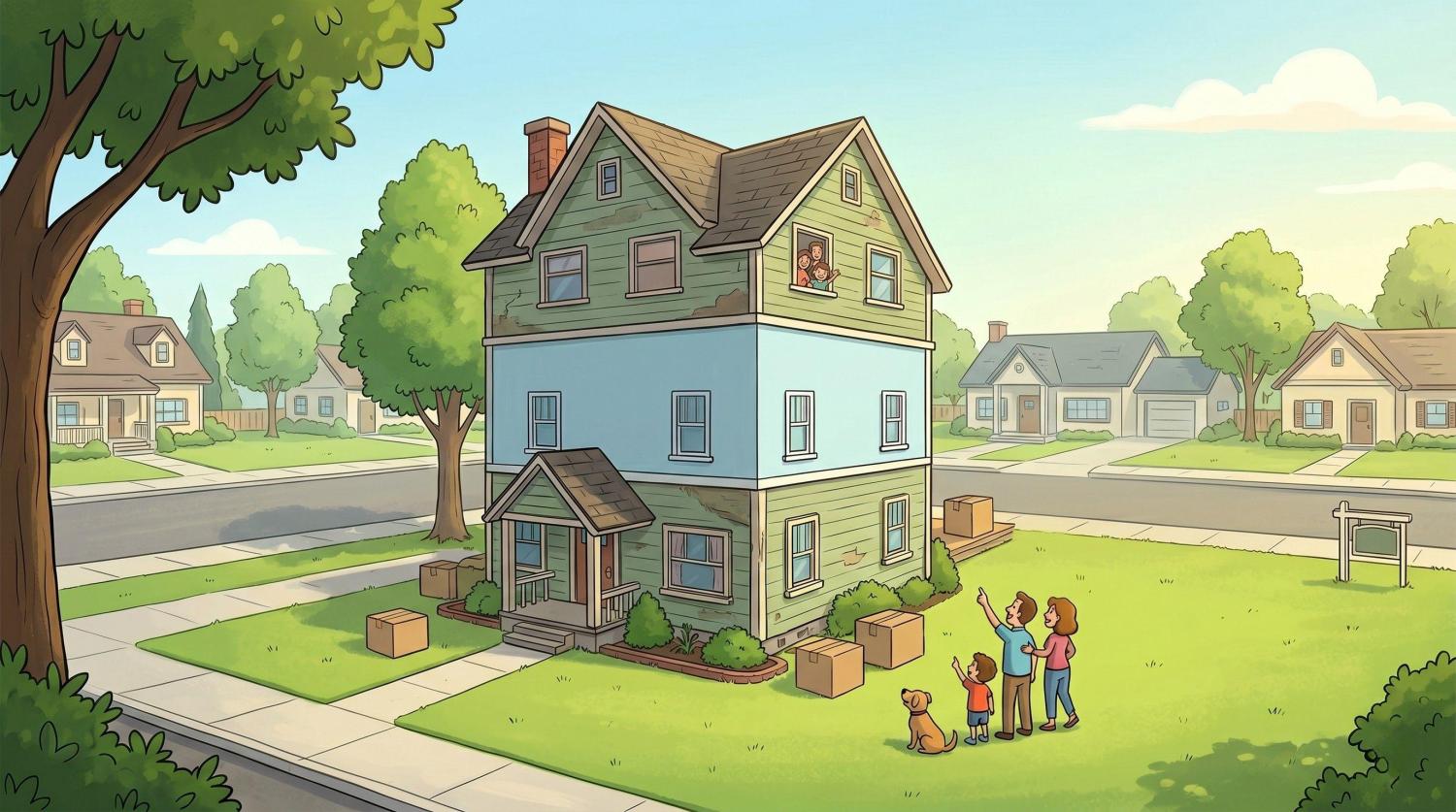
When you sign the closing papers on a house, you may feel like you are setting roots forever. You pick out the perfect paint colors and imagine living there for decades. But life has a funny way of changing the script, which is exactly why people move homes even when they never planned to do so.
It usually begins with a small, quiet realization. Maybe the hallway suddenly feels a bit tighter, or the kitchen table is crowded. You look around and realize your current space no longer matches your daily rhythm.
It is completely normal to feel confused or hesitant when this happens. Wanting a change does not mean you made a mistake before, it just means you are entering a new season of life.
The Real Reasons Why People Move Homes
A house is a lot like a favorite pair of shoes. When you first buy them, they fit perfectly and look great. But over time, your activities change, or your feet need more support, and suddenly those shoes start to pinch your toes.
In the Indianapolis area, outgrowing home Indiana spaces is a very common experience. Many people start out in a cozy property in Hendricks County or Johnson County, thinking it will be their permanent base. Then, life shifts.
You might start working from home full-time, requiring a dedicated office instead of the kitchen counter. Or maybe your hobbies have grown, and you need a garage that actually holds cars alongside your tools. These practical adjustments are the hidden forces behind most local moves.
Sometimes, the shift is about the outside space rather than the inside walls. You might find that you want less yard maintenance so you can spend weekends exploring downtown Indy. Or perhaps you want a larger lot with room for a massive garden.
Understanding The Move Up Buyer Story
When real estate professionals talk about a move up buyer story, they are not talking about moving into a mansion. They are simply describing a homeowner who needs a property with more functional space or a better layout.
These transitions are driven by real estate life changes rather than a desire for luxury. For instance, you might realize that a two-story home with all the bedrooms upstairs no longer works for your daily routine.
You might want a ranch-style home to avoid stairs entirely. Or maybe you need a secondary living area so everyone has space to unwind.
Processing The Selling Home Emotional Reasons
Leaving a house is rarely just a financial transaction. There are deep selling home emotional reasons that can make the process feel overwhelming.
Your home is where you celebrated milestones, hosted holidays, and found comfort after long days. It is the place where you marked heights on the door frame.
It is completely healthy to feel a sense of grief when preparing to leave. The key is to remember that the house did not create those beautiful memories, you did. You carry those experiences with you to the next chapter.
When you look at the big picture, a house is a tool that serves your life. If the tool is no longer working for your daily needs, it is okay to upgrade to one that does.
Practical Takeaways For Your Next Move
Here is a simple breakdown of how to approach this situation based on your specific goals.
What this means if you are buying
Focus on layout and functionality rather than just square footage.
Look for a property that accommodates your current hobbies and potential future needs.
Analyze your budget to ensure the new monthly payment remains comfortable for your lifestyle.
What this means if you are selling
Give yourself permission to feel emotional about leaving your current space.
Work on decluttering early so you can view the property as an asset on the market.
Explore flexible options that allow you to align your selling timeline with your next purchase.
Finding Clarity In The Transition
Deciding to move is a major milestone that requires careful thought. It is not something to rush into because of market hype or outside pressure.
The best decisions are made when you align your housing choices with your actual daily life. Take your time, weigh the pros and cons of each option, and look at the big picture.
Every home and situation is different—this is where good guidance matters.